
- >>
- Birds Online – English
- >>
- Health and diseases
- >>
- General health topics
- >>
- Signs of illness
- >>
- Temperature of a bird’s...
The temperature of a bird’s feet

Based on the temperature of the bird’S feet, the owner can find out some details about the current condition of the animal and thus about its health. The regular body temperature of a budgie is approximately 105 degrees Fahrenheit (40 degrees Celsius) inside the body. But the temperature of the feet is slightly lower in most cases, it is usually 98.6 to 102.2 degrees Fahrenheit (37 to 39 degrees Celsius).
You can easily determine the temperature of the feet of tame birds. Just let them stand on your hand without being forced to do so. They mustn’t be stressed, as this would temporarily increase the temperature. So, the most reliable result of the temperature measurement over one’s skin is obtained when the bird is not excited or has just been flying a lot because you chased the animal.
The next time your healthy bird rests on your hand, memorize how her or his feet feel. You will easily notice any deviations from this normal state in the future.
Temporarily hot feet
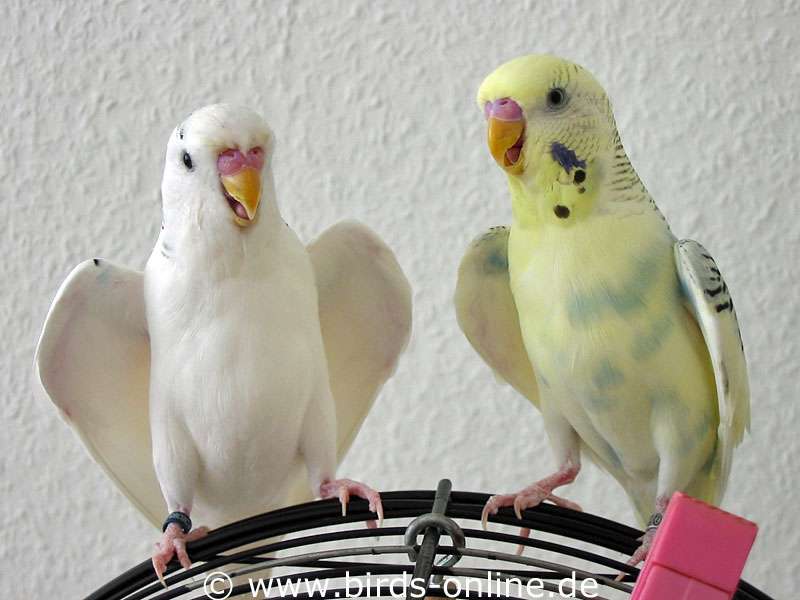
If your bird’s feet seem very hot, that means if their temperature is between 104 and 105.8 degrees Fahrenheit (between 40 and 41°C), the animal probably has a slightly increased body temperature. Birds like budgies tolerate this temporarily, but not permanently. If the bird has the feathers very close to the body (absolutely not fluffed up), lifts the wings a little bit, and maybe also breathes with the beak slightly open, the animal feels very warm. This can for example happen in summer when it’s hot outside or after long and exhausting flights. Or the bird has panicked shortly before, putting the body in a state of alarm and causing extreme stress. This can temporarily increase foot temperature.
Shortly after a panic episode or after a strenuous flight, the feet usually cool down again quickly. If the environmental temperature is too high, the bird’s body hardly cools down. One must provide shade and cooling so that the bird does not die of heatstroke.
Hot feet for a long time
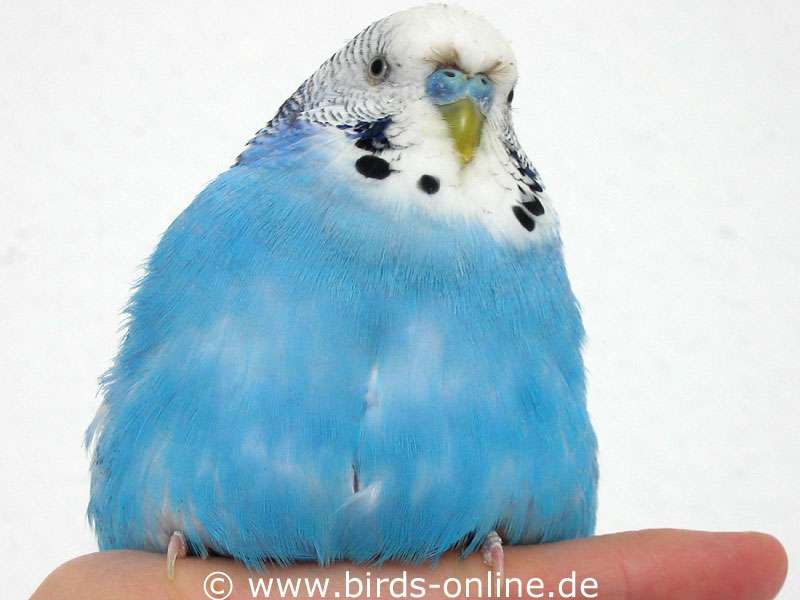
If the condition of too hot feet persists over a longer period, a disorder of an internal organ is relatively often the cause, for example, kidney inflammation (nephritis). Since the bird’s body is not properly detoxified by the impaired kidneys, the bird runs hot, to put it simply. There is an immediate need for action, your bird should be taken to an avian vet as soon as possible. This is especially the case if the droppings are very wet and the animal drinks above average.
Nephritis as well as other diseases of the internal organs deprives the body of a lot of strength, so death cannot usually be averted without fast, targeted treatment. If there is something wrong with your bird’s kidneys, there is a risk of dehydration, and important nutrients get lost due to the increased excretion of urine.
Another reason for hot feet over a longer time is excessive insulation of the body caused by a massive fat layer. That means: Many overweight birds tend to have a slightly increased body temperature and above-average warm feet. This does not have to be a sign of an acute illness if one refrains from the obesity of the bird which is dangerous for the animal as well.
Temporarily cold feet
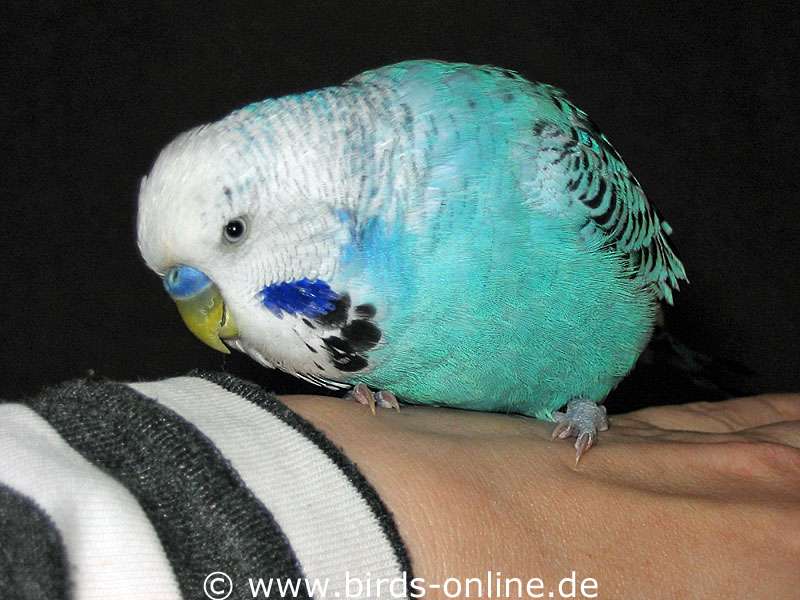
If a bird’s feet are temporarily cold from time to time, this can be a sign of excitement or stress, among other things. Often, after an initial sharp increase, the body temperature drops slightly below normal in the event of stress. Or the bird has taken a bath shortly before. So its body temperature is slightly lower than usual because the water on the feathers evaporates and cools the body.
If the feet get warm again within a few minutes, there is no need to worry. If, on the other hand, your bird has cold feet for a few minutes several times a day without bathing before or moistening its feet with water, the animal could be suffering from a cardiovascular disorder.
Such illnesses can quickly become life-threatening, which is why an avian vet should be consulted as quickly as possible. However, there may be other reasons for the frequent occurrence of cold feet, which are not quite as serious. If you are not sure, it makes sense to have an avian vet examine your bird to get an explanation for the cold feet.
Cold feet for a long time

If the feet of a bird are permanently cold, the animal looks apathetic, if the plumage is extremely fluffed up and if your feathered friend sleeps more than average, she or he is very likely to suffer from a (serious) disease and must be examined by an avian vet immediately.
In almost all diseases, the bird’s body burns more energy than it gets from the food the birds eat so that the body temperature cannot be maintained at its normal level. Unlike us humans, birds don’t have any fever in case of illness but frequently suffer from hypothermia (too low temperature). For this reason, it is useful for a whole range of diseases to supply heat to the bird’s body with the aid of an infrared lamp (medical lamp). However, this heat therapy should not replace going to the avian vet and should only be carried out in consultation with your bird doctor.
