- >>
- Birds Online – English
- >>
- Health and diseases
- >>
- Infectious diseases and diseases...
- >>
- Candidiasis (thrush)
Candidiasis (thrush)
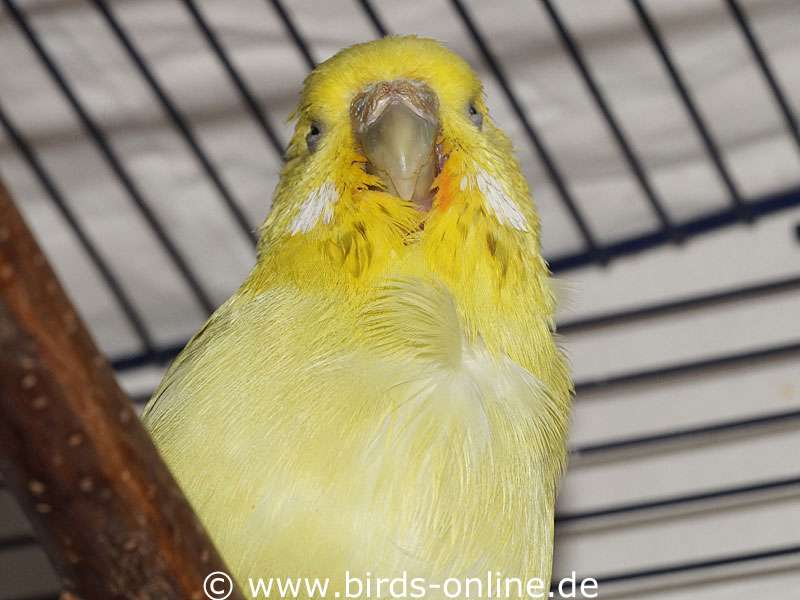
In a bird’s digestive tract, yeast cells in small numbers can be found as regular „inhabitants”. Normally, they won’t harm the birds. But as a result of treatment with antibiotics, yeasts can increase strongly. Otherwise caused imbalances of the natural intestinal flora, as well as a weakening of the immune system, can also result in such an increase of yeast cells inside the bird’s body.
Most of these yeast fungi are Candida sp. They mainly colonize the intestines, crops, and throats of birds. In the case of a severe infestation, the yeasts negatively affect the bird’s health. Avian vets refer to fungal infections of the digestive tract in which Candida sp. are involved as candidiasis.
Why can candidiasis occur spontaneously?
Hardly any environment is completely free of germs. This is especially true for homes where birds are kept, as well as for outdoor aviaries. Various germs such as bacteria or yeasts are part of the regular microflora and usually do not cause any health issues unless they get out of hand. In the digestive tract of a healthy bird, there are usually some of these yeasts in small numbers. Their natural counterparts in the bird’s intestine are, among others, the benign intestinal bacteria that thrive there. A few yeast cells may also be present in the crop. They’re typically ingested with food. For example, yeasts colonize fresh fruit and multiply rapidly on it in summer. Usually, in a healthy bird, the yeasts that enter the crop with food cannot reproduce strongly and therefore do not cause any symptoms in most cases.
Due to an administration of antibiotics, many of the benign, beneficial intestinal bacteria die off, as do the pathogenic bacteria primarily targeted in the course of therapy. Any yeasts present can therefore multiply and spread unhindered in the bird’s intestine. They can also infect the crop in a situation like this or increase their proliferation there. The same applies if a bird whose immune system is weakened eats food that is heavily infested with yeasts. Because there is hardly any natural defense in the body, the yeasts can heavily grow.
The reason why infections appear to occur spontaneously is often that the owner overlooks the extent to which fresh food is contaminated with yeast fungi. Or a bird suffers stress that is imperceptible to its keeper. This stress may weaken the immune system even though this negative influence not recognizable from the human perspective. Thus, yeast infections often seem to appear out of nowhere. However, in the majority of cases, a previous weakening of the immune system or poor food hygiene is the underlying cause.
Different names, the same disease
Depending on where the yeasts spread in the bird’s body, the resulting disease is referred to differently. If the main yeast colonization is located in the throat, it is called thrush, which is also frequently found in infants and young children. A yeast infestation that mainly affects the intestinal mucosa is called intestinal mycosis or, more precisely, a fungal infection of the intestine. Furthermore, a so-called sour crop frequently occurs in birds, whereby it is a yeast infection of the crop. In some cases, yeasts settle in weeping skin lesions and additionally worsen them.
Veterinary help is required
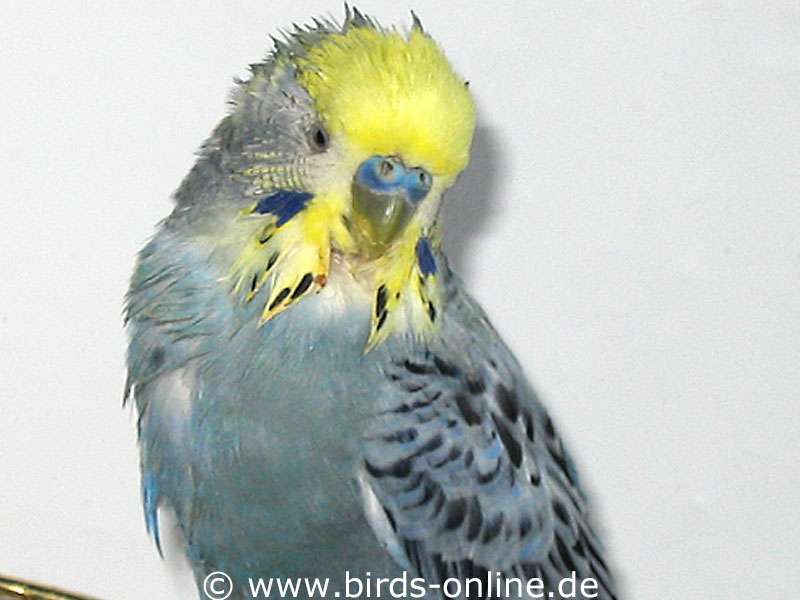
An infestation of the bird’s body with yeast fungi should be treated purposefully. Such infestations can cause great damage to the organism. Therefore, it is important to consult an avian vet immediately in case of suspicion. But why are yeast fungi so problematic for birds? First of all, if they colonize the digestive tract, they cause local inflammation of the mucous membranes, which often leads to diarrhea and vomiting. Both stress the affected bird and cause discomfort or even pain. Quite often, repeated vomiting also leads to rapid and, in many cases, life-threatening malnutrition.
With their mycelia (tiny root-like structures), the yeasts perforate the thin, sensitive mucosa on which they settle. This is how they gain access to nutrients, which they extract from the bird’s bloodstream. However, the food mush found in the bird’s digestive tract also feeds the yeasts. So they thrive especially well when the food ingested by the bird contains natural sugar like fructose.
Another aspect becomes a problem for the affected birds: The metabolic waste products excreted by the yeasts, some of which are toxic – known as mycotoxins – enter the bloodstream of the diseased animal via the mycelia. Therefore, candidiasis can in some cases lead to permanent damage to the liver or other organs due to the fungal toxins.
Typical Symptoms
Since the crop of budgies and other pet birds is often colonized by yeasts, sick animals tend to throw up their food. Frequently, large quantities of mucus appear in the process of vomiting. The general well-being of the birds is impaired as a result of constantly throwing up. Their feathers are fluffed up and the birds hardly participate in the daily life of their flock or their caregivers. Many sick birds sleep a lot and refuse to eat. Sometimes gases, which are produced by the yeasts, accumulate inside the crop. In such cases, swellings of the crop can be observed. But beware, a swollen crop can also occur due to other diseases and is not necessarily caused by candidiasis.

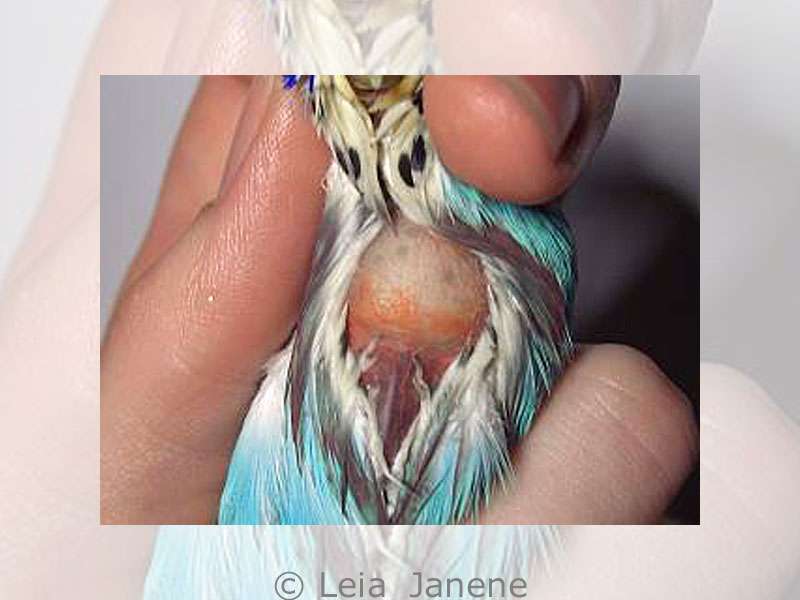
If the intestine of a bird is colonized by yeasts, diarrhea may occur. The bird’s droppings can be quite greasy then. Other possible symptoms of intestinal fungal infections are loss of appetite, disturbances of the general well-being, and increased fatigue. The animal appears very sleepy and separates itself from the flock. Sometimes gurgling noises can be heard from the abdomen of a diseased bird due to the gases produced in the intestine. Besides, some birds suffering from diarrhea caused by intestinal fungi often scratch their cloaca. The reason for this is that the fungal toxins cause skin irritation which in turn results in burning or itching.
Treatment
Various medications are used to treat fungal infections like candidiasis. Your avian vet will carefully examine a diseased bird to be able to choose a medication with an appropriately high dosage. During the therapy, the bird should not be given sugar (contained, for example, in many snacks as well as in fruit), since yeasts feed on it. The treatment with so-called antimycotics should accordingly always be supplemented by a sugar-free diet to virtually starve the yeasts.
In individual cases, after consultation with the attending avian vet, fruit can be served despite such a disease, but usually only in small quantities. Whether a bird is allowed to eat fruit or not in a particular case should be clarified at the vet’s visit. If you are not sure, it is better to remove the fruit from the menu of your sick bird for the time being and offer him or her low sugar vegetables (avoid corn!) and herbs instead.
Other fungal diseases
Occasionally, an infection of the crop may occur in which molds of the genus Mucor are involved. Because these fungi usually rarely cause disease in birds, they are not taken into account in laboratory tests. If one of your birds suffers from repeated vomiting and nevertheless no common germs have been found in the samples and other organic causes could be excluded, it is recommended to have another swab specifically tested for these molds.
In pet birds, fungal skin infections also occur, as already mentioned above. These should always be treated as quickly as possible, as they cause severe itching and often lead to the affected birds injuring themselves by scratching and pulling out their feathers.
