Vomiting (crop infection)
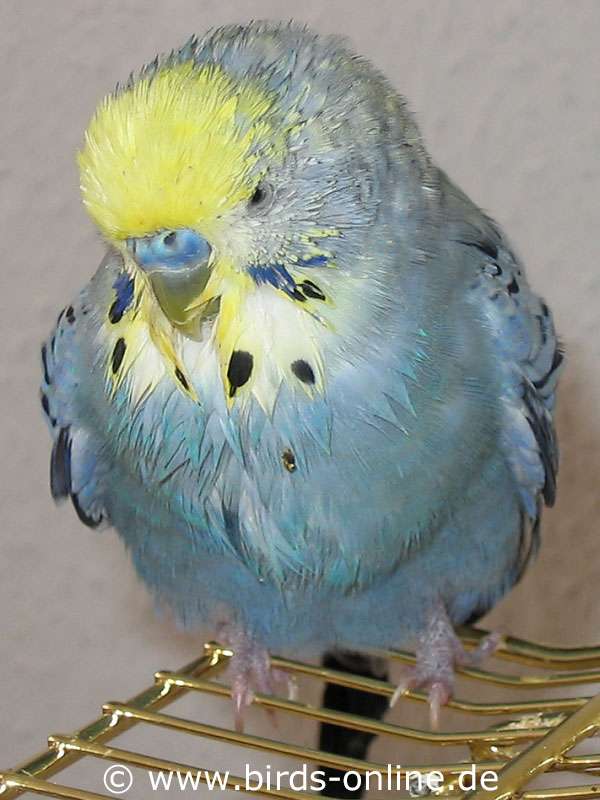
In parrots and parakeets, vomiting or regurgitation of food can be seen from time to time. When vomiting, they move their head up and down, performing a typical pumping movement of their crop. Sometimes, the regurgitated seeds are rather dry, in other cases, they are mixed with clear liquid or with viscous, yellowish mucus. Besides, birds may vomit simply mucus which can range in color from brownish-yellow to white; transparent, colorless mucus also occasionally occurs.
If you notice that one of your birds is vomiting, your feathered patient should be taken to an avian vet as soon as possible. A specialized doctor like this should always be your first choice. Vets who are not experienced in treating birds tend to overlook important details while making a diagnosis: Vomiting in birds can have several different causes, which require different therapies.
Often veterinarians who are not specialized in treating birds hastily talk of an infection of the crop. They diagnose this without having performed any further examination. And often they administer a booster injection or an antibiotic. However, the latter in particular is not effective in all cases, because vomiting is a symptom that can be caused by other factors than just bacteria. Therefore, the use of antibiotics is not appropriate in all cases. Booster injections are virtually always unsuitable as the sole treatment measure. In this chapter, you will learn why this is the case and what vomiting in parrots and parakeets is all about.
Same symptom, different causes
When a budgie or any other pet bird vomits, many owners as well as some veterinarians always refer to it as a crop infection. In fact, in some cases, indeed, an infection ( = inflammation) of the mucous membrane inside the crop is responsible for the symptoms. But in calling vomiting in birds a crop infection can be dangerous: Here, symptoms and causes are being equated with each other without considering that there are also causes that have nothing to do with inflammation.
To emphasize it once again: Vomiting in birds is just a symptom and not an actual disease. The symptom vomiting can be triggered by numerous different factors or underlying diseases. It is comparable to abdominal pain in us humans. They can occur because we are suffering from a gastrointestinal virus, or because we have appendicitis, or because we have eaten highly gassy foods, or due to several other causes. Likewise, many different triggers for the symptom vomiting occur in budgies and other birds, about which you can learn more on this page. Further below, you will also find advice from the German avian vet Dr. Martina Schmoock-Wellhausen on the subject of diarrhea and vomiting.
Possible reasons for vomiting in parrots
The following list contains the most common causes of vomiting in budgies. In many other parrot species, the listed items may also occur. By clicking the contents you will be taken to the detailed explanation of each item.
- Regular feeding of a partner or chick (allofeeding)
- Repeated mechanical irritation of the crop – for example, caused by feeding a mirror toy
- Ingestion of foreign objects
- Crop stones or salivary stones
- Poisoning and food intolerance
- Bacterial infection of the crop mucosa
- Fungal crop infection (yeast, megabacteria, mold)
- Parasite infestation of the crop
- Concussion and diseases of the central nervous system
- Tumors of internal organs
- Severe dysfunction of internal organs such as liver or kidneys
Regular feeding of a partner or chick (allofeeding)
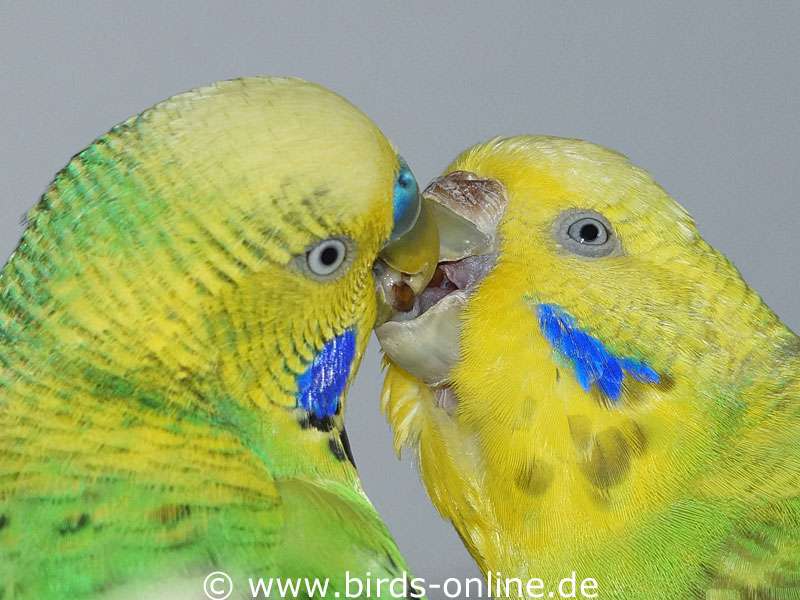
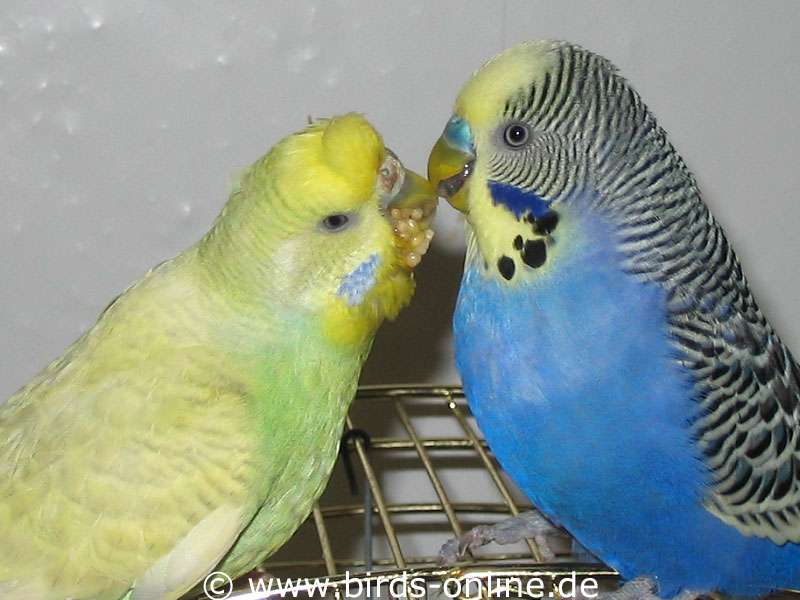
In many parrots and parakeets, it is part of the normal behavioral repertoire for males, in particular, to regurgitate food from their crop and hand it over to their mate or a close friend of the same sex. But this so-called allofeeding is also practiced by female parrots. It is an important element of the social life of parrots. On the one hand, it serves to strengthen the bond between the couple, on the other hand, the birds practice the transfer of food what is an important skill when raising their young.
While the female bird warms a clutch of eggs and later the hatchlings in a nest, the male has to bring food for his partner and the young. He stores it in his crop and after regurgitation passes it over to his partner or the chicks. This kind of supposed vomiting is therefore not a symptom of a disease. Instead, this behavior is normal and usually does not indicate any underlying disease.
The following video shows an allofeeding scene in which the regurgitation of the seeds is not caused by a disease. So actually the bird is not vomiting.
Repeated mechanical irritation of the crop – for example, caused by feeding a mirror toy
Unfortunately, many budgies and other pet birds are still not kept in a species-appropriate manner. That is, they lead an existence as solitary kept birds, although they are flock birds and need conspecifics around them to be truly content. Many bird owners place plastic birds or mirror toys inside their parakeet’s cages or aviaries because they assume that this is enough for the birds as “company”. Both kinds of toys can be very dangerous for budgies and other pet birds because they can encourage a certain potentially unhealthy behavior: Especially single kept male budgies see supposed partners in their reflection or the plastic bird and try to get their attention. Following their instincts, the birds will try to feed the alleged partner (see description of allofeeding behavior) and therefore regurgitate food from their crop. However, the mirror image or the plastic bird won’t accept the food offered, so the birds swallow it again because it would be a waste of nutritious resources to spit them out. A short time later, another feeding attempt is made, which also fails – the food is swallowed anew.
The whole thing often repeats incessantly as if in an endless loop, which can become a health risk for the birds. By repeatedly regurgitating the food, the mucous membrane becomes, to put it simply, sore over time. This initially causes a so-called crop irritation, which can lead to nausea. Not surprisingly, this is since a severely irritated and sore mucosa causes pain. Simply because the ordinary environment of any pet bird always holds some disease-causing germs in small numbers and that the bird’s immune system can normally keep in check, there is an increased risk of infection if a crop irritation develops. The sore spots provide an entrance for colonization with bacteria and other germs. Thus, an inflammatory reaction can easily occur in the sore mucosa, so that the permanent attempts to feed a mirror or a plastic bird can actually lead to inflammation in the crop and therefore to severe vomiting.
Ingestion of foreign objects
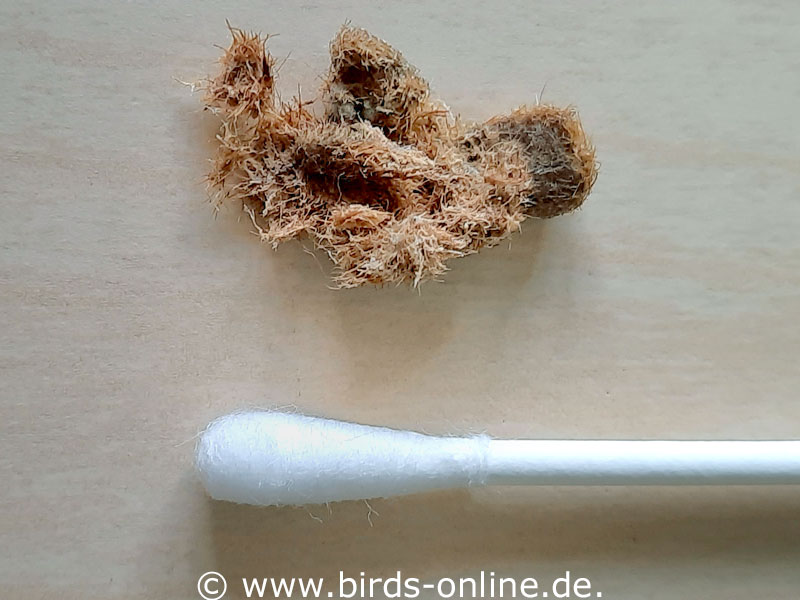
Budgies, as well as some other parakeets and parrots, have a distinct preference for gnawing on all sorts of objects. If they swallow foreign bodies such as plastic splinters or cotton fibers, these particles can become lodged inside the crop and injure the sensitive mucous membrane. This mechanical irritation can lead to local inflammation, which in many cases is accompanied by severe vomiting. Alternatively, the swallowed foreign bodies may accumulate in the crop and block it. This can result in decay, which in turn leads to vomiting. Occasionally, however, foreign bodies form by themselves; these are then referred to as crop stones or salivary stones, see the following section.
Considerably more problematic, by contrast, is often the swallowing of small amounts of foreign bodies over a longer period. Cockatiels and budgies in particular like to pluck fine fibers from ropes of their toys (for example, from cotton ropes, but also from jute ribbons and the like). In doing so, some birds swallow fibers that ball up in the crop to form increasingly larger objects. This can also happen when birds gnaw on soft tree bark, such as willow bark, or cork bark. While this does not happen in every case, there still is a considerable risk of ingestion, particularly concerning rope fibers.
The foreign bodies that form in the crop can massively impair digestion, lead to fermentation and inflammation, and thus cause vomiting. In addition, these foreign bodies take up space that the birds lack for food storage in their crop. This means they experience severe problems in eating and starve to death in agony in the long term. If the fibrous formations even reach the intestine, they can also have devastating effects there. Many affected birds die of intestinal obstruction.
Swallowed foreign bodies must be surgically removed by an avian vet. Depending on how much the situation has already harmed an affected bird, there is a risk of death. Leaving the foreign body in the bird is not an option, however, and is also fatal in the long run.
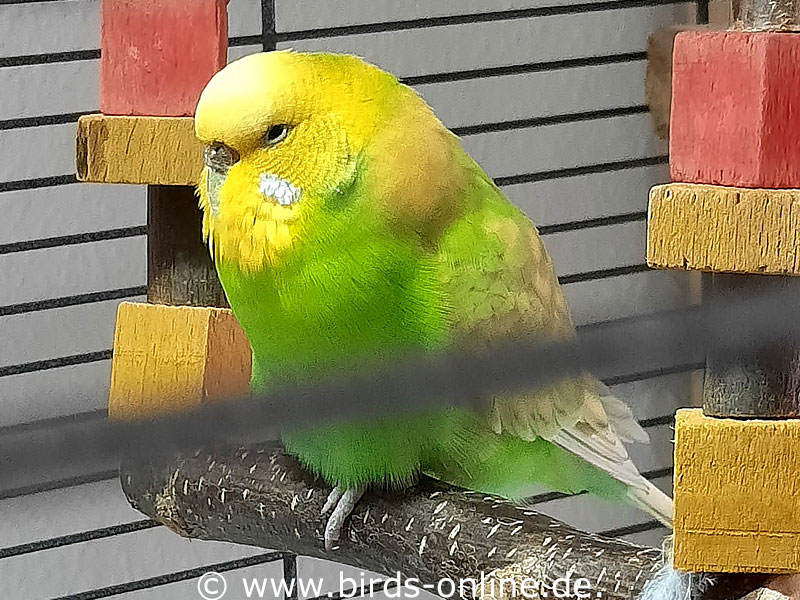
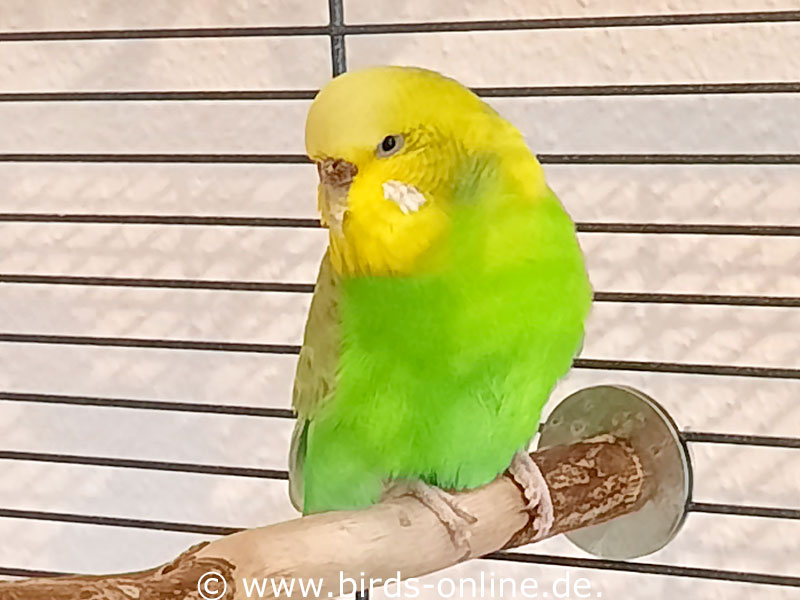
The foreign body that is shown in the photo above appears to consist of fine rope fibers. It was surgically removed from a budgie’s crop. As the two photos of the bird show, it was not possible to see from the outside that there was a foreign body in the animal’s crop before the surgery.
Crop stones or salivary stones
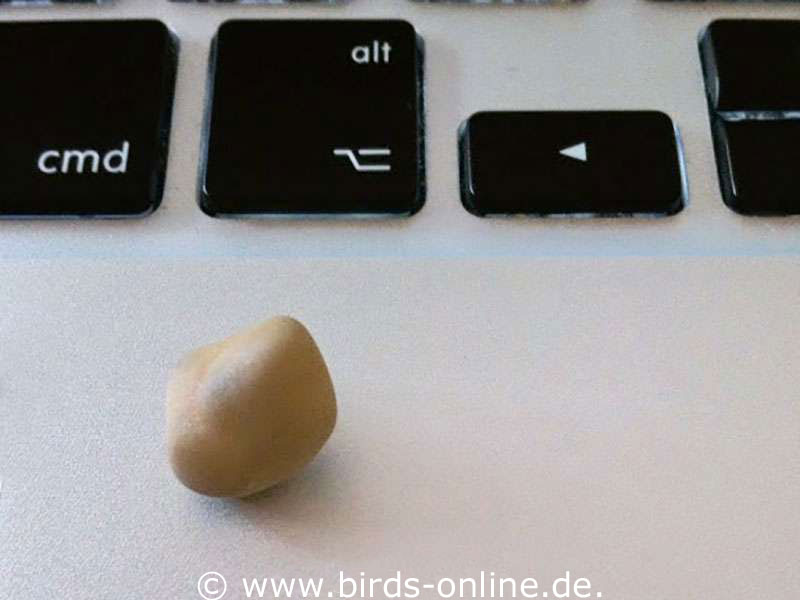
Under certain circumstances, so-called crop stones or salivary stones may develop inside a bird’s crop. These are not real stones, but very hard objects that slowly build up. At first, they are tiny and generally don’t cause any trouble. Over time, mucus continues to accumulate on the surface and dries to form thin coatings. In this way, tiny layers ultimately build up into an ever-larger structure that hardens and gradually takes up more and more space.
For the affected bird, this is most likely accompanied by an unpleasant sensation and the digestion may be hindered. This is especially the case if the crop stones are quite large. They can be several millimeters in diameter. If there are several of these objects in a bird’s crop at the same time, the situation is even worse.
The problem with crop or salivary stones is that they are usually not regurgitated by the bird, but get stuck inside the crop and lead to severe irritation of the mucous membranes. Heavy vomiting can be the result. Also, there is less and less space for food inside the crop over time and many of the affected birds, therefore, lose a lot of weight.
These objects can be palpated or sometimes detected on x-ray images. In most cases, these foreign bodies have to be removed surgically. The more the organism of an affected bird is already weakened by constant vomiting and difficulties with food intake before the procedure, such a surgery can be risky. But it is usually the only way to fix this kind of health problem.
Poisoning and food intolerance
Because many parrots and parakeets like to gnaw frequently, they may, for example, munches on a decorative plant that is either indigestible or poisonous to them, or other they nibble on toxic items such as scented candles. Some poisonings lead to severe nausea and vomiting because they attack the nervous system, or the body instinctively wants to get rid of the substances. In other cases, the swallowed substances irritate respectively chemically burn the crop mucosa which is why the affected animal reacts with intense vomiting to these internal injuries, too.
Food intolerances can also cause vomiting in birds. It is usually not observed when eating a common mixture of seeds and fruits and vegetables. However, if a parakeet or parrot takes a bite of food intended for humans, this can lead to vomiting as a result of an intolerance. Fat-containing or strongly spiced food usually triggers digestive disorders in birds. Vomiting is just one of many possible symptoms of food intolerance. Therefore, pet birds should generally not eat our food such as chips, bread, fried dishes, strongly spiced food, and the like.
It is particularly dangerous when the birds eat something from our plates that is poisonous for them – including avocado and chocolate, for example. Then you are no longer dealing with food intolerance, but usually with poisoning.
Bacterial infection of the crop mucosa
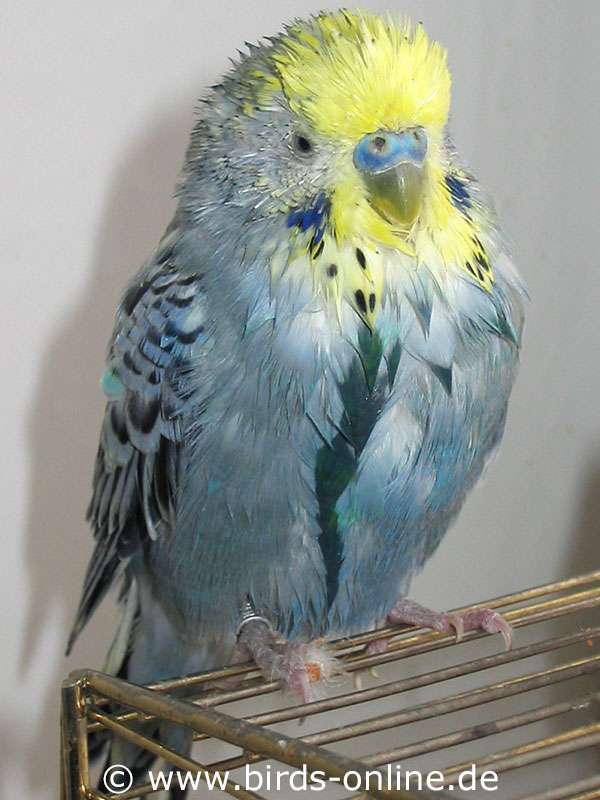
Often vomiting in parrots and parakeets is caused by bacteria that colonize their crop and cause inflammation of the mucous membranes. What many bird owners are not aware of is that under certain circumstances, such inflammation can occur without notice or for no apparent reason.
Quite many people instead assume that a bird can only suffer a bacterial crop infection if the animal catches dangerous pathogens from another bird. This may certainly happen now and then. But in most cases, such an infection occurs spontaneously and without any contact with diseased conspecifics. Under certain conditions, this appears because bacteria that normally do not harm our birds can multiply in their bodies causing inflammation of the crop mucosa and the mucosa of the esophagus.
These are often pathogens that are constantly present in our environment – albeit typically in small quantities. Veterinarians, therefore, refer to so-called environmental pathogens. If a bird’s immune system is weakened, these pathogens can settle in the crop, for example, and cause inflammation.
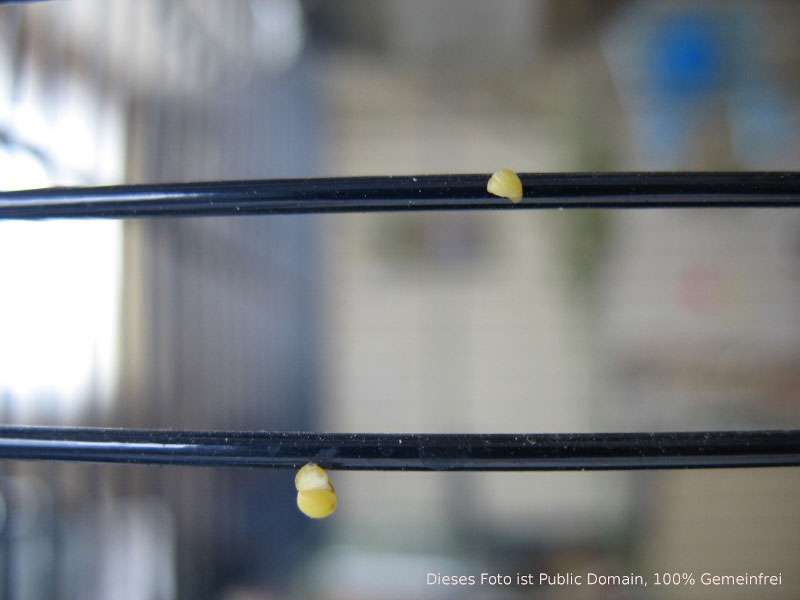
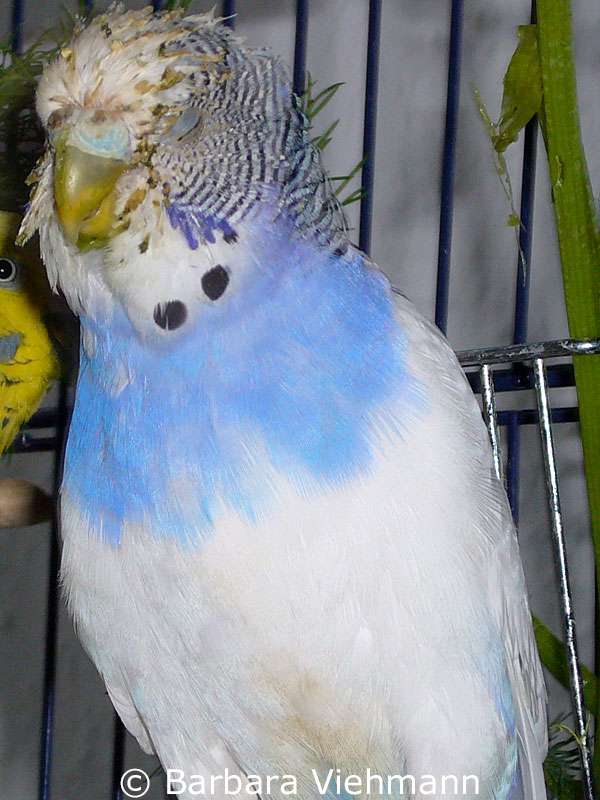
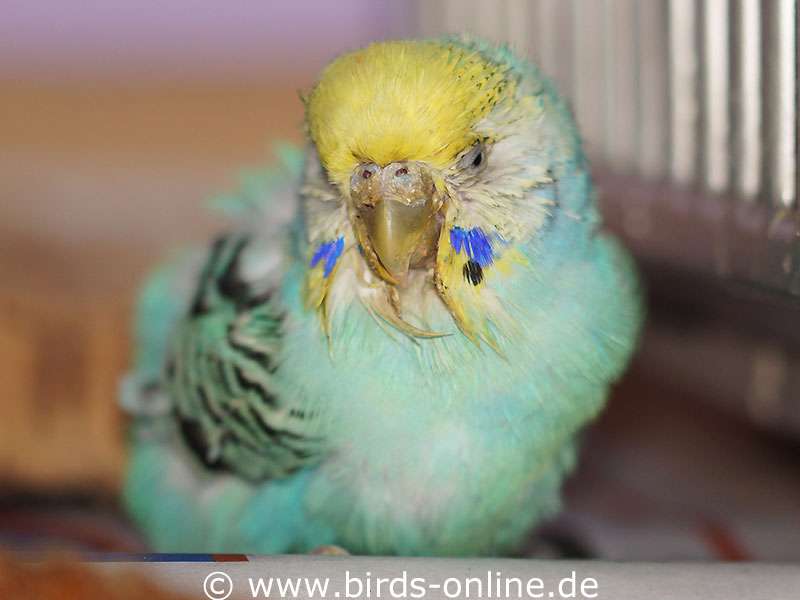
You are probably familiar with it: Inflamed skin swells because it is supplied with more blood. It hurts, it is reddened, and hot. If such inflammation of the crop mucosa caused by bacteria is present in birds, the affected animals often vomit seeds or other food particles and usually also quite large amounts of liquid from the crop. In many cases, the plumage on the birds’ heads is soiled after vomiting because the animals try to fling away the mucus adhering to the beak. The viscous liquid then often ends up on the feathers and clogging them. Sometimes, however, no mucus is soiling the plumage because its viscosity is low and therefore it is thrown comparatively far away when the birds shake their heads. In the surrounding area then sometimes drops of liquid, which in some cases are mixed with seeds or other food particles, stick to cage grille, walls, or other objects.
Fungal crop infection (yeast, megabacteria, mold)
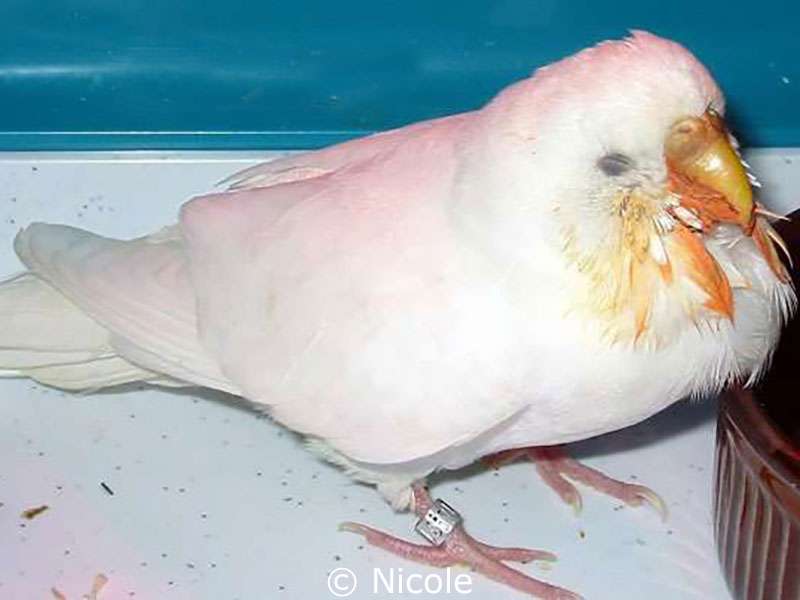
Bacteria are not the only disease-causing germs that are commonly found in our natural environment and can proliferate within a bird’s crop. Various species of fungi can also attack the crop mucosa, and not only if it is already damaged. If yeast fungi are involved in inflammation, it is called candidiasis. Such fungal infections can cause severe vomiting. Furthermore, certain mold species can colonize a bird’s crop. Typically, molds from the genus Mucor affect budgies and other parrots.
Another species of fungus, formerly misleadingly named Megabacteria and now known as Macrorhabdus ornithogaster, can colonize the birds’ digestive organs. These fungi are not always detectable in crop swabs, but they can still be present and cause digestive problems such as diarrhea and vomiting. A comprehensive description of the avian gastric yeast, the symptoms it causes, and how it can be cured can be found in the corresponding chapter.
Parasite infestation of the crop
In addition to bacteria and fungi, internal parasites settling inside the crop, among other things, can lead to severe vomiting. Particularly common in budgies and several other bird species are the so-called Trichomonads. These flagellates cause vomiting, emaciation, and a blockage of the crop because these parasites produce thick yellow coatings on the mucous membrane. How to recognize an infestation with Trichomonas gallinae and how to treat it is described in a separate chapter that will soon be available here.
Concussion and diseases of the central nervous system
The birds’ heads house the brain and parts of the central nervous system, the latter of which extends into the spinal cord. This nervous system is responsible, among other things, for the control of various body functions, for the sense of balance, and many other aspects. In the event of a head injury or disease of the central nervous system, severe vomiting may occur. Anyone who has suffered from a concussion is familiar with nausea accompanied by dizziness. Most likely, birds experience the same sensations when suffering from a head injury or concussion.
In addition, some toxins ingested by birds can attack the central nervous system what leads to vomiting.
Tumors of internal organs
Experts do not yet agree on the reason why so many budgies, but also other pet birds, fall ill with tumors of the internal organs, sometimes even at a very young age. Numerous birds become ill in the course of their lives, for example, with a liver or kidney tumor. In both cases, severe vomiting can occur, among other symptoms, because the organism is not properly detoxified due to organ damage. A tumor can take up much space inside the body. So the malignant growth might put pressure on the digestive tract, leading to vomiting.
Severe dysfunction of internal organs such as liver or kidneys
The internal organs of budgies and other pet birds can under certain circumstances show dysfunctions. As a result, the body is often flooded with toxins, because organs such as the liver and kidneys play a crucial role in natural detoxification. If these organs do not work properly, the level of substances that are problematic for birds increases in their bodies, which is like creeping poisoning. The following short video shows a budgie suffering from vomiting due to a serious organ disorder:
What to do in case your bird is vomiting?
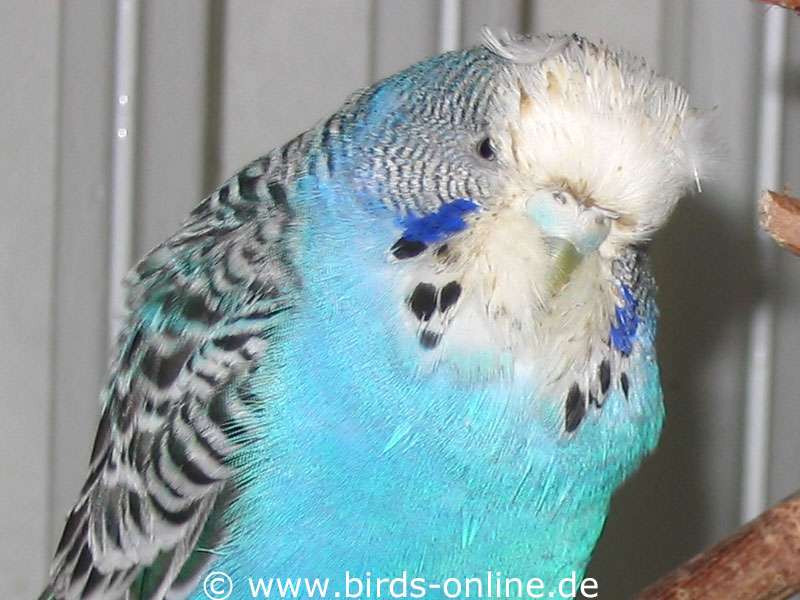
If you observe your bird throwing up seeds or other food particles and mucus more than once, you should immediately take your feathered friend to an avian vet to have the cause of the vomiting clarified. All the more haste is required if the bird feels dull and seems apathetic. Keep the animal warm while you’re on the way to the doctor. Your bird may feel cold if she or he is suffering from an inflammation caused by bacteria or other pathogens. The only exception is that you must not warm the bird if a head injury is responsible for the health issues.
Your doctor will examine the feathered patient closely and will likely take a swab from the crop or cloaca, and may order additional testing (for example, x-ray or blood analysis).
Please note: It is always a good idea to see a veterinarian who is knowledgeable about birds. Many small animal veterinarians who have not chosen this specialization do not know enough about the treatment of avian diseases to find out less common causes of vomiting in pet birds. Therefore, the hasty diagnosis of crop infection, sour crop, or something similar is often presented by vets who are not familiar with avian diseases. But in many cases, a diagnosis like this tells nothing about the underlying cause of the health disorder and consequently, no targeted therapy can be initiated.
What to consider when feeding a bird suffering from vomiting?
If your bird suffers from repeated vomiting, in addition to the medication prescribed by the vet, you should follow some rules when feeding. Be sure to discuss the special diet with the attending avian vet.
This is what avian vet Dr. Martina Schmoock-Wellhausen advises

If a bird shows thin droppings or vomiting once, this does not have to be a sign of a serious disease. Nevertheless, if you observe multiple vomiting with mucus-smeared plumage on the head and soft or watery droppings with a sticky cloaca, you should urgently consult an avian vet.
In general, remember to bring feces for examination. In any case, it should be fairly fresh and clean of sand or similar. Place a plastic sheet, freezer bag, or newspaper on the bottom of the cage or aviary. From this, the avian vet can usually easily collect the samples for the examination.
If the bird vomits, you should always check whether it has gnawed on a plant or something else in the room. Take a photo of this or even take it with you to the vet. Thus, a possible poisoning can be detected or ruled out.
